
Running a small medical practice often means doing more with fewer people. Your team may be responsible for patient scheduling, insurance verification, clinical documentation, claims, payment follow-up, phone calls, and dozens of other tasks every day. When billing becomes another…

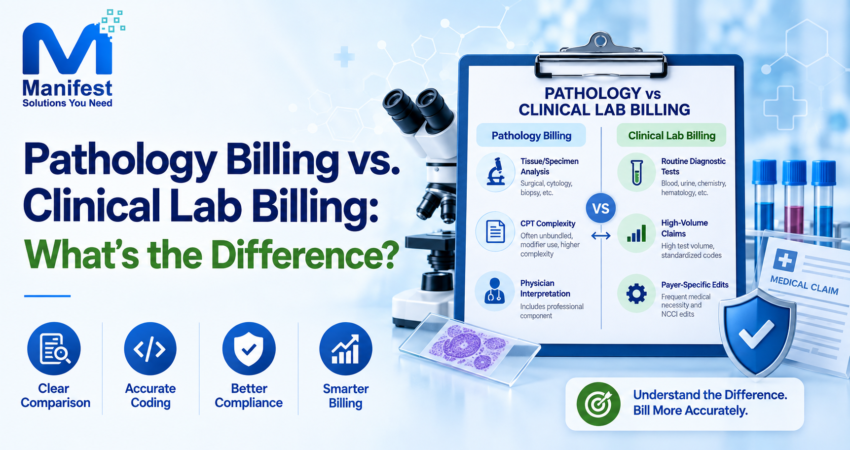
Pathology Billing vs. Clinical Lab Billing: What’s the Difference? Referring providers use “pathology” and “lab” almost interchangeably, and most patients never think about the distinction at all. Billing departments don’t have that luxury. Clinical laboratory billing and anatomic pathology billing…

Laboratory Billing Costs in 2026: What You’ll Actually Pay to Outsource Every lab director asks the same question first, and every vendor answers it the same evasive way: “it depends.” That’s not a dodge, exactly — it genuinely does depend,…
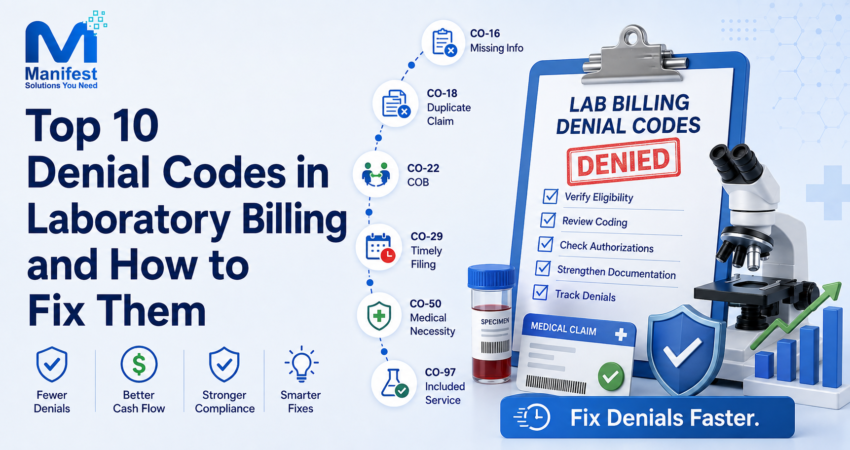
Top 10 Denial Codes in Laboratory Billing and How to Fix Them A denial code isn’t really a rejection. It’s the payer telling you, in a standardized format, exactly what went wrong — you just have to know how to…

Molecular & Genetic Testing Billing: CPT Codes and Reimbursement Challenges Molecular and genetic testing is the fastest-growing category in laboratory medicine, and also the one most likely to deny. That’s not a coincidence. The coding structure behind these tests is…
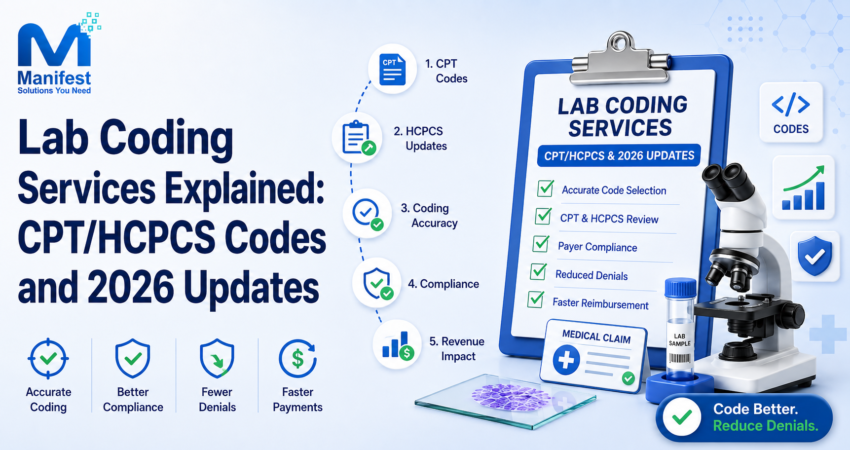
Lab Coding Services Explained: CPT, HCPCS & 2026 Updates Coding is the part of laboratory billing nobody sees until it goes wrong. A test gets performed correctly, the result gets reported correctly, and then somewhere between the LIS and the…

Laboratory Billing Solutions: How to Choose the Right Partner for Your Lab If you’ve started looking into laboratory billing solutions, you’ve probably noticed the same problem we hear from almost every lab director who calls us: everyone’s pitch sounds identical.…

Healthcare providers often assume that obtaining a medical license or National Provider Identifier (NPI) is enough to start billing insurance companies. In reality, most commercial payers require providers to complete several administrative steps before they can join a network and…
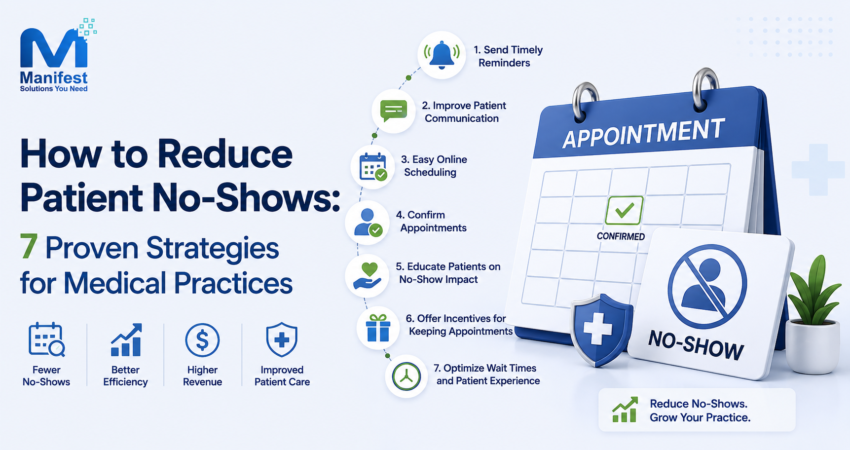
Patient no-shows are more than an inconvenience. Every missed appointment represents lost revenue, underutilized staff, scheduling inefficiencies, and delayed patient care. For healthcare providers, even a modest no-show rate can significantly impact practice profitability and patient access. Industry studies estimate…
Clinical laboratories have spent the past several years navigating uncertainty surrounding the Protecting Access to Medicare Act (PAMA). Since Medicare first transitioned to market-based laboratory reimbursement, Congress has repeatedly delayed scheduled payment reductions, creating confusion about reporting requirements, reimbursement rates,…